What Is the Safety Reverse Function on a Garage Door Opener?
The safety reverse function is a critical feature integrated into garage door openers designed to prevent injury or damage by automatically reversing the door if it encounters an obstruction during closing. This protection relies heavily on safety sensors, commonly called photo eyes or infrared sensors, mounted near the floor on either side of the garage door frame.
These sensors emit an invisible infrared beam across the doorway. When the beam is interrupted by an object — such as a child, pet, or item — the garage door opener immediately stops and reverses the door's travel. This obstruction detection not only protects lives but ensures compliance with Australian garage door safety regulations and standards.
By continuously monitoring this safety beam, the system effectively prevents accidents and damage to vehicles or belongings inside the garage, making the safety reverse function indispensable in any modern garage door setup.
Why Is My Garage Door Not Reversing When It Hits an Obstruction?
When a garage door does not reverse upon striking an object, several common issues could be responsible:
- Misaligned or Dirty Sensors: Photo eye sensors may become dirty from dust, spider webs, or water spots, or they may be physically misaligned so that the infrared beam is blocked or weak. Wiring Issues: Loose, damaged, or disconnected wiring harnesses connecting the sensors to the control board can cause signal disruptions. Faulty Sensor Mounts or Strike Plates: Broken or worn mounting brackets may cause sensors to shift out of position or fail to detect obstructions effectively. Electrical Problems: Malfunctions in the circuit board, control panel, or power supply can interfere with the safety reverse function even if the sensors are intact. Mechanical Blockages: Physical obstructions in the door track, damaged rollers, or faulty torsion springs may also prevent proper reversal despite sensor signals.
Identifying the root cause among these possibilities is essential to restore safe operation.
How Do I Test and Align the Safety Sensors (Photo Eye)?
Proper alignment and cleanliness of the photo eye sensors are fundamental for consistent obstruction detection. Follow these steps to test and align your sensors:
- Inspect Sensor Lenses: Clean both sensor lenses gently using a soft cloth and mild detergent to remove dust, cobwebs, or grime. Check LED Indicators: Each sensor typically includes an LED light that signals operational status. A steady green or amber LED usually means proper alignment, whereas blinking or no light indicates a fault. Align Sensors Precisely: The sensors must face each other directly on opposing sides of the door frame. Adjust the sensor mounts until the LED lights stabilize, ensuring the infrared beam is uninterrupted. Conduct Manual Obstruction Testing: Place an object in the path of the beams and attempt to close the door. The door should immediately stop and reverse if the sensors are working correctly.
Consistent sensor alignment maintenance significantly extends system reliability and safety.
What Are the Steps to Check and Adjust the Force Settings and Travel Limits?
The force settings and travel limits on your garage door opener control how sensitive the door is to resistance and how far it travels when opening or closing. Improper adjustment can affect the safety reverse function:
- Locate the Control Panel: Use the garage door opener’s onboard control panel or wall control button to access force and limit adjustments. Adjust Force Settings: Increase or decrease the downward force sensitivity according to manufacturer instructions—too low may cause premature reversal, too high might fail to detect obstructions. Set Travel Limits: Correctly program the door’s open and closed positions so the limit switch halts movement at the appropriate points, preventing mechanical strain. Reset Force Settings: If suspecting faulty adjustments, many openers allow a reset procedure through the control panel or remote that restores factory defaults.
Taking care with these settings ensures your safety reverse functionality engages correctly under real-world conditions.
How to Inspect and Repair Wiring and Circuit Board Issues Affecting Safety Reverse?
Electrical components play a vital role in the safety reverse operation. To inspect and repair possible wiring or circuit-related problems, follow these guidelines:
- Examine Wiring Harness Connections: Disconnect power and visually inspect wires for wear, corrosion, or loose plugs connecting sensors, motor, and control board. Use Diagnostic Mode: If your garage door opener model supports diagnostic mode, activate it to read error codes pointing to specific faults like sensor failure or circuit anomalies. Inspect Circuit Board Components: Check the main control board for cracked solder joints, burnt components, or signs of moisture damage affecting safety reverse pathways. Verify Power Supply Stability: Ensure the electric motor receives a consistent power source; intermittent voltage drops can disrupt sensor communication.
Proper electrical troubleshooting requires attention to detail and safety precautions such as disconnecting power before handling components.
When Should I Replace Garage Door Opener Safety Sensors or Other Hardware?
Sometimes cleaning and realignment aren’t enough to restore the safety reverse function. Consider replacement when you notice:
- LED indicators on sensors fail to illuminate despite power restoration. Cracked or damaged sensor lenses impair infrared beam transmission. Sensor mounts or strike plates are broken beyond adjustment. Repeated malfunctions trace back to hardware age or wear.
Replace safety sensors and peripherals with compatible parts matched to your opener model to maintain optimal performance. Proper installation using recommended mounting brackets ensures the sensors stay secure and aligned long term.
Can Mechanical Issues Such as Door Balance or Torsion Springs Affect Safety Reverse Function?
Mechanical elements greatly influence garage door operation and the effectiveness of the safety reverse feature:
Our Sponsor
A1 Garage Doors Gold Coast
A1 Garage Doors Gold Coast is a Bundall-based garage door specialist serving the southern Gold Coast and surrounding suburbs with installation, repair, maintenance, and emergency garage door services. The company specializes in sectional doors, roller doors, garage door openers, spring and cable replacement, opener motor repair, smart-enabled installations, and 24/7 emergency call-outs across Robina, Burleigh Heads, Surfers Paradise, Nerang, Coomera, and the wider Gold Coast region.
Address:
1 Waterford Court,
Bundall,
QLD
4217,
Australia
Phone: (07) 5515 0277
Business Hours:
- Open 24/7 — Including After-Hours and Emergency Call-Outs
Follow Us:
- Door Balance: An unbalanced door places excessive strain on the opener motor, causing irregular motion or failure to respond correctly to obstruction signals. Torsion Springs: Worn or broken springs affect door counterbalance and may cause jerky movements or failure to reverse safely. Garage Door Track and Roller Wheels: Misaligned tracks or damaged rollers increase friction and may prevent smooth door travel, impacting response to obstruction detection. Cable Drum and Pulley System: Faults in these components can disrupt door lifting mechanics, impeding safety reverse activation.
Testing door balance manually by disengaging the opener and moving the door helps reveal underlying mechanical issues that should be addressed alongside sensor fixes.
How to Perform a Full Safety Test After Repairing the Reverse Function?
After repairs or adjustments, conducting a comprehensive safety test is vital to confirm the safety reverse function works flawlessly:
- Visual Inspection: Ensure all sensors, wiring, and mechanical parts are secure and clean. Obstruction Detection Test: Place an object within the door’s path and attempt to close it using the remote or wall button. The door should reverse immediately upon sensing the obstacle. Manual Release Test: Activate the emergency or manual release mechanism and confirm smooth door disengagement for manual operation. Safety Edge Check: If your door includes a safety edge sensor on the lower panel, ensure it responds when pressed or obstructed, triggering reversal. Regular Maintenance Schedule: Set periodic inspection and testing intervals to maintain safety features consistently.
Performing this full safety assessment after every service enhances household security and prolongs the life of your garage door system.
When Should I Call a Professional for Garage Door Opener Repairs?
While many safety reverse issues can be diagnosed or fixed with DIY approaches, certain situations warrant expert intervention:
- Complex wiring faults or circuit board replacements requiring electrical expertise. Major mechanical repairs involving torsion spring replacement or track realignment needing specialised tools and experience. Persistent sensor failures after replacement indicating deeper control panel malfunctions. Installation or upgrade projects aiming to enhance safety features or integrate smart garage door technology.
Professional technicians bring expert diagnosis, warranty-backed repairs, and compliance with Australian safety and building standards. Engaging qualified specialists mitigates risk and ensures your garage door system functions reliably and securely.
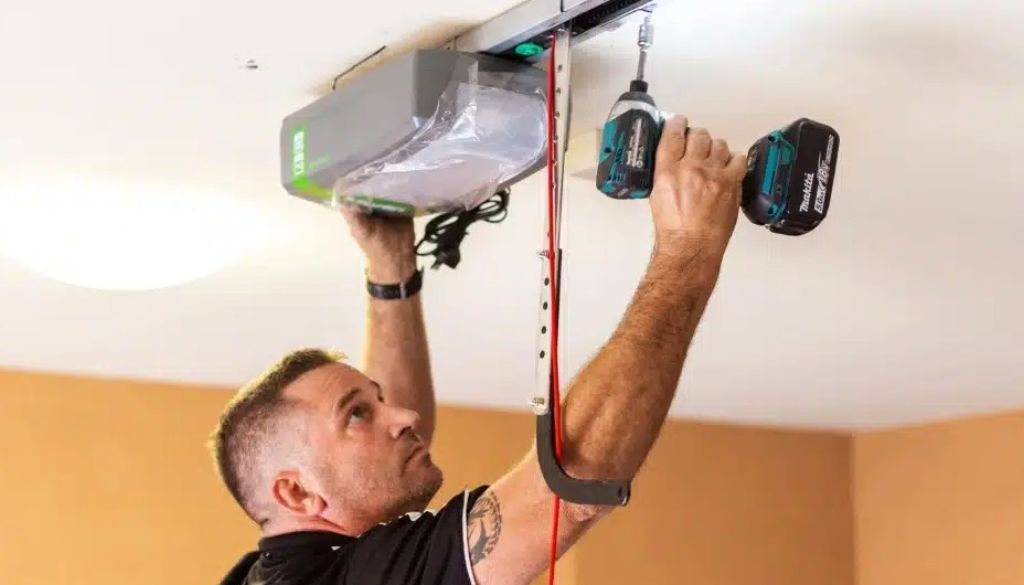
Additional Tips: How to Clean and Maintain Garage Door Safety Sensors for Longevity
Regular maintenance is key to preventing safety reverse malfunction caused by sensor dirt or damage:
- Clean sensor lenses quarterly using a damp cloth with mild detergent. Protect sensor mounts and wiring by checking weather seals and eliminating gaps where moisture or debris may enter. Inspect LED indicators monthly to catch early warning signs of sensor degradation. Keep the area around sensors free from obstacles and reflective surfaces that may interfere with infrared beams.
Routine care significantly reduces repair costs and extends hardware lifespan.
Upgrading Your Garage Door Opener for Enhanced Safety Features
Modern opener models offer advanced safety improvements worth considering for retrofit or replacement:
- Enhanced Safety Beam Systems: Multiple infrared sensors with wider coverage reduce blind spots. Smart Garage Door Controls: Integration with smartphone apps allowing remote monitoring of safety sensor status and door operation. Improved LED Indicators: Visual alerts on sensors and control panels simplify troubleshooting. Force Sensitivity Advances: Automatic calibration that adapts to environmental changes improves reliability.
Upgrading not only boosts safety but can enhance convenience and peace of mind.
Common Garage Door Opener Diagnostic Codes and What They Mean
If your garage door opener features a control panel with diagnostic mode, it can provide error codes to aid troubleshooting:
- Sensor Error Codes: Indicate misalignment or sensor failure requiring inspection or replacement. Force Setting Faults: Highlight unsafe or incorrect force levels that might disable safety reverse temporarily. Motor or Gear Assembly Issues: Suggest mechanical binding or electrical faults affecting door movement. Power Supply Fluctuations: Recommend checking outlet stability or circuit interruptions.
Consult your specific garage door opener manual emergency garage repair for code definitions and recommended actions.
Frequently Asked Questions (FAQs)
Q1: How do I know if my garage door safety sensors are faulty?
A1: Signs of faulty safety sensors include the garage door not closing at all or closing but failing to reverse when obstructed. Typically, the LED lights on the sensors will either not light up, blink erratically, or glow dimly, indicating alignment or hardware issues.
Q2: Can dirty sensors cause the safety reverse not to work?
A2: Absolutely. Dust, spider webs, and debris on the sensor lenses block the infrared beam crucial for detecting obstructions. Regular cleaning of the sensors is necessary to maintain their responsiveness.
Q3: What should I do if the garage door reverses randomly?
A3: Random reversing usually points to poor sensor alignment, wiring problems, or interference from reflective surfaces. Cleaning and realigning the sensors, inspecting wiring integrity, and removing potential sources of interference can resolve this.
Q4: Is adjusting force settings safe for DIY?
A4: Yes, provided you carefully follow the manufacturer’s instructions. Incorrect adjustments can either make the door too sensitive—causing unnecessary reversals—or too insensitive—posing a safety risk. Always proceed with caution.
Q5: Why doesn't my garage door close even though the opener motor runs?
A5: This symptom often results from misaligned safety sensors signaling a false obstruction or mechanical issues like broken torsion springs preventing door movement. Verify sensor conditions and inspect mechanical parts before concluding.
Q6: Does weather affect garage door safety sensor performance?
A6: Yes, extreme weather such as heavy rain, fog, or dust storms can cause condensation or dirt build-up on sensor lenses, or cause mounts to shift due to thermal expansion, requiring regular inspection and cleaning.
Conclusion:Repairing the garage door opener’s safety reverse function requires a careful combination of electrical, mechanical, and sensor system assessments. By understanding how the safety sensors operate, performing routine maintenance, correctly adjusting force and travel limits, and troubleshooting wiring and mechanical issues, homeowners can ensure their garage doors remain safe and reliable. When complex faults arise or safety is uncertain, consulting professional technicians experienced in garage door systems is the safest course of action. Prioritising these safety measures will help protect your family and preserve the longevity of your garage door opener system.