What Is a Garage Door Opener Motor and Why It Might Need Replacing
The garage door opener motor is the heart of your garage door system, responsible for converting electrical energy into mechanical motion that opens and closes A1 garage doors maintenance surfers paradise your door. Encased within the motor housing, the motor contains several critical components including the motor shaft, motor brush, motor capacitor, and motor controller. Over time, wear and tear, overheating, or electrical failures can compromise these parts, leading to diminished performance or complete breakdown.
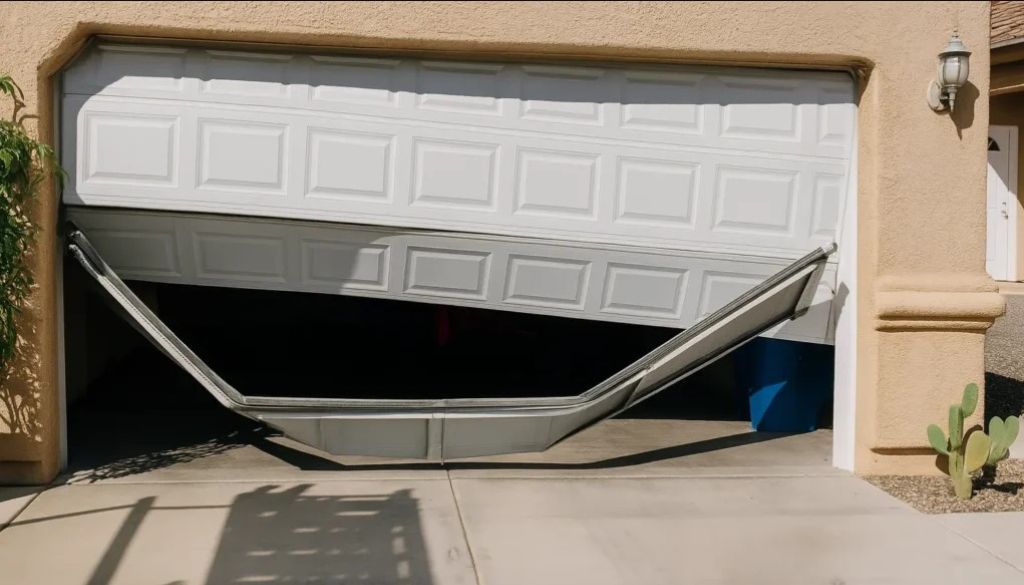
Signs Your Garage Door Opener Motor Needs Replacement
- Motor overheating symptoms: The motor feels excessively hot to touch or frequently trips the breaker. Unusual noises: Grinding, squealing, or rattling sounds that indicate worn gears or motor malfunction. Opener light malfunction: Flickering or non-functional lights on the opener unit. Slow or inconsistent door movement: The door struggles to open or close smoothly or reverses unexpectedly. Circuit board failure: Erratic behaviour including unresponsive remote control or wall push buttons. Motor arm issues: Broken or bent motor arms causing poor connection to the trolley assembly.
Recognising these warning signs early can prevent further damage to your garage door system and avoid costly repairs.
Tools and Parts Needed for Garage Door Opener Motor Replacement
Before starting your garage door opener motor replacement, gather the following essential tools and replacement parts to ensure a smooth process:
- Remote control battery – to test remote functionality after replacement Gear kit – including gear sprocket and transmission gear compatible with your opener model Screw drive vs chain drive parts – depending on your opener type Mounting bracket – for securing the motor housing Lubrication spray – for smooth operation of moving parts Replacement motor pulley – to support belt or chain drive systems Wiring harness – for electrical connections between motor and controls Motor capacitor – critical for motor start-up and efficiency Motor brush – wear-prone part inside the motor requiring periodic replacement
Having these items prepared in advance helps prevent delays and ensures your garage door opener installation is safe and efficient.
Step-by-Step Guide: How to Replace Your Garage Door Opener Motor
Follow these detailed steps carefully to replace your garage door opener motor safely. Estimated time per step varies but expect around 1.5 to 2 hours for a complete replacement if you have moderate experience.
1. Manual Release
Engage the manual release by pulling the emergency release cord to disconnect the door from the trolley assembly. This prevents unexpected door movement during motor replacement.
2. Disconnect Power Supply
Unplug the garage door opener from the power outlet or switch off the circuit breaker. Safety first — always ensure the power is disconnected before working on electrical components.
3. Removing Motor Housing
Using the appropriate screwdriver or wrench, remove the screws or bolts securing the motor housing so you can access the motor assembly inside.
4. Detaching Drive Belt or Chain Drive
Carefully unhook or loosen the drive belt or chain connected to the motor pulley. Note the orientation and installation method for proper reassembly.
5. Replacing Trolley Assembly
If your trolley assembly shows wear, detach it from the rail system and replace it with a new one. This assembly connects the motor arm to the door carriage and needs to function smoothly.
6. Installing New Motor Unit
Place the new motor unit into the housing and secure it using mounting brackets and screws. Connect the wiring harness to the motor controller and ensure all electrical connections are tight and insulated.
Our Sponsor
A1 Garage Doors Gold Coast
A1 Garage Doors Gold Coast is a Bundall-based garage door specialist serving the southern Gold Coast and surrounding suburbs with installation, repair, maintenance, and emergency garage door services. The company specializes in sectional doors, roller doors, garage door openers, spring and cable replacement, opener motor repair, smart-enabled installations, and 24/7 emergency call-outs across Robina, Burleigh Heads, Surfers Paradise, Nerang, Coomera, and the wider Gold Coast region.
Address:
1 Waterford Court,
Bundall,
QLD
4217,
Australia
Phone: (07) 5515 0277
Business Hours:
- Open 24/7 — Including After-Hours and Emergency Call-Outs
Follow Us:
7. Reconnecting Garage Door Sensor and Safety Sensors
Reattach safety sensors and the garage door sensor wires as per manufacturer instructions. These devices prevent injury by stopping the door if an object breaks the infrared beam.
8. Adjusting Limit Switch
Set the limit switch to control how far the door opens and closes, preventing damage from overtravel. Consult your opener's manual for precise adjustment steps.
9. Testing Wall Control and Wireless Keypad Functions
Plug the unit back in, reconnect the power, and test all controls including wall-mounted push buttons and wireless keypad or remote controls. Confirm the door opens and closes smoothly without abnormal noises.
Safety Tips During Motor Replacement
- Always disconnect the power supply before starting to avoid electric shock. Be cautious with tension springs and garage door cables, as they are under high tension and can cause injury. Avoid injury from roller wheels and garage door track by wearing protective gloves and keeping fingers clear. Use a vibration absorber to reduce noise generated by the new motor and improve longevity.
Following these precautions ensures your safety throughout the replacement process.
Maintaining Your Garage Door Opener Motor for Longevity
Proper maintenance can extend the life of your garage door opener motor significantly. Regularly lubricate moving parts such as chains, pulleys, and rollers with lubricant spray to reduce friction. Inspect and tighten mounting brackets to prevent looseness that can cause wear or misalignment. Keep the garage door sensor lenses clean for uninterrupted safety system operation. Periodically check the motor capacitor and fuse status for signs of failure and replace them promptly. Lastly, don’t overlook replacing the remote battery to maintain seamless remote control communication.
When to Call a Professional for Garage Door Motor Replacement
While DIY replacement is feasible for many, there are situations where hiring a professional is recommended to ensure safety and proper repair. Consider professional service if you encounter:
- Complex electrical issues beyond basic wiring and capacitor replacement Repeated motor overheating, indicating deeper motor or circuit problems Damage to the gearbox or transmission gear that requires specialised tools Problems involving garage door springs and cables under high tension Warranty obligations that could be voided by self-repair
Pros and Cons of DIY Replacement vs Professional Service:
- DIY Pros: Lower cost, immediate repair, learning opportunity DIY Cons: Risk of injury, potential for improper installation, time-consuming Professional Pros: Expertise, warranty protection, guaranteed safety Professional Cons: Higher cost, scheduling delays
Frequently Asked Questions About Garage Door Opener Motor Replacement
- How long does a garage door opener motor last?Typically, motors last between 10-15 years depending on usage and maintenance. Can I replace the motor myself safely?Yes, with proper tools, safety measures, and following manufacturer instructions, many homeowners can do it safely. How much does motor replacement typically cost?Costs vary widely but generally range from $150 to $400 for parts and DIY supplies, plus labour if hiring a professional. What are signs of motor capacitor failure?Symptoms include motor struggling to start, humming noise without movement, and frequent tripping of the circuit breaker. How to reset the opener after motor replacement?Usually involves pressing a reset button on the motor controller or reprogramming the remote controls per manufacturer instructions. Does motor replacement affect remote control programming?Sometimes resetting or reprogramming remotes and wireless keypads is required after installing a new motor.